Why Brands Are Switching to Eco Friendly Honeycomb Packaging

Why Brands Are Switching to Eco Friendly Honeycomb Packaging
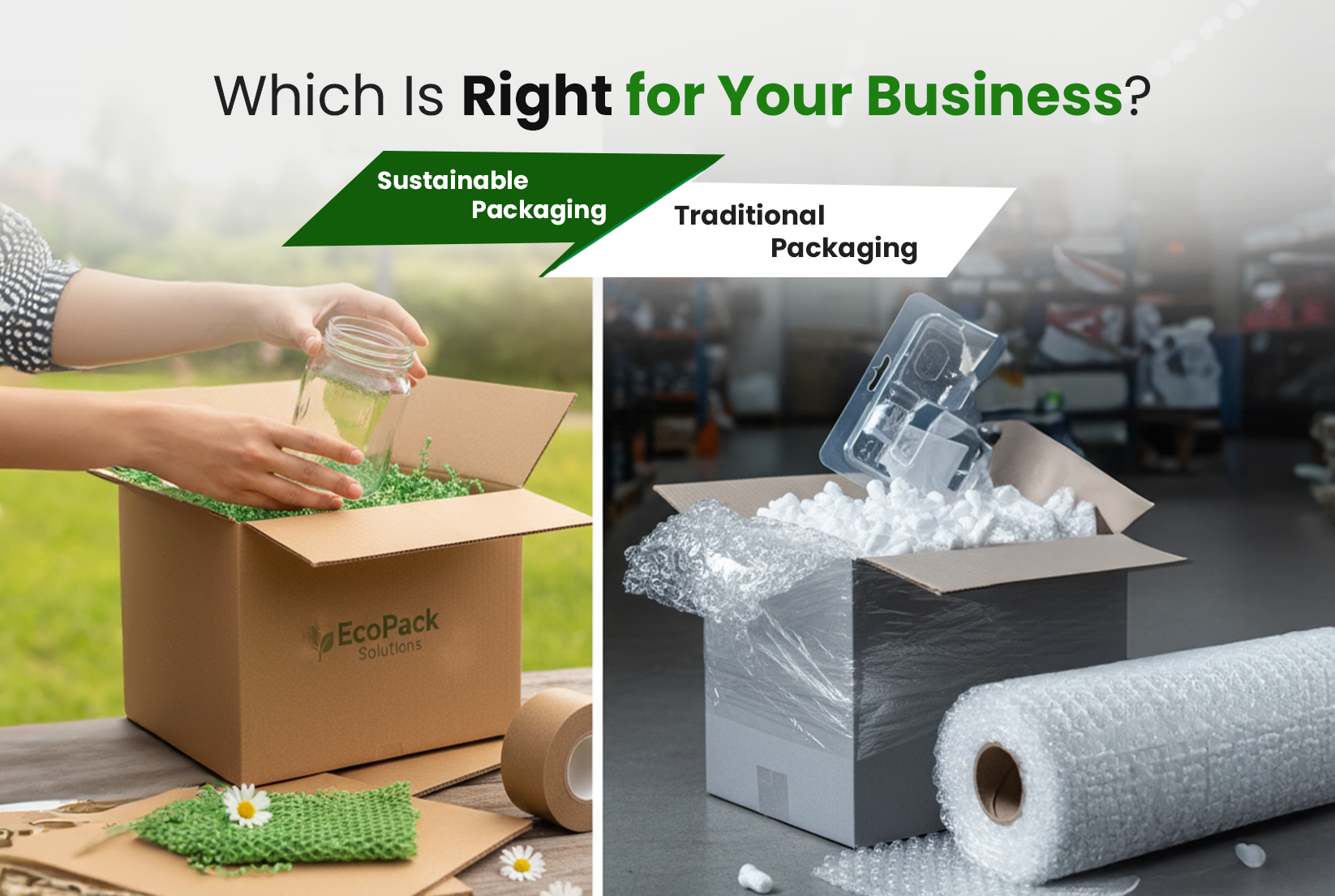
Brands today are under more pressure than ever to be both cost-efficient and environmentally responsible. Traditional packaging often relies on plastics and foam that harm the environment and increase shipping costs. Many companies are now choosing honeycomb packaging for its unique combination of strength, sustainability, and affordability. This choice is not just a trend — it reflects a strategic shift in how businesses manage their supply chain and brand image.
1. Reducing Environmental Impact Without Compromising Strength
Traditional materials like plastic and thick cardboard are durable but have a major downside — they take hundreds of years to decompose. Environmental regulations and growing consumer awareness are forcing companies to rethink packaging strategies.
Honeycomb packaging offers an eco-friendly solution. Its kraft paper structure forms hexagonal cells that provide excellent strength while remaining lightweight.
Benefits of this design include:
- Strong enough to protect fragile and heavy products.
- Lightweight, reducing transportation costs.
- Fully recyclable, helping businesses meet sustainability goals.
Brands find that switching to honeycomb materials reduces their carbon footprint and improves brand perception among eco-conscious consumers.
2. Efficiency in Logistics and Storage
Packaging costs are not just about materials. Shipping and storage make up a large portion of overall expenses. Traditional bulky materials occupy more space, add weight, and increase freight charges.
Honeycomb packaging is lightweight and easy to stack, which helps companies save money in several ways:
- More units can fit into each shipment, reducing transport costs.
- Less warehouse space is needed due to flat, stackable sheets.
- Loading and unloading are faster and safer for workers.
These operational efficiencies make honeycomb packaging attractive for industries like e-commerce, furniture, and electronics, where logistics play a critical role in profitability.
3. Protecting Products During Transit
Damage during shipping can result in costly returns, replacements, and customer dissatisfaction. The hexagonal honeycomb structure acts as a natural shock absorber.
Key advantages include:
- Absorbs impact and reduces the risk of product breakage.
- Provides even weight distribution for stacked shipments.
- Customizable shapes fit products precisely for extra protection.
By reducing product damage, brands save on replacement costs while building trust with their customers.
4. Versatility Across Industries
One of the main reasons brands are switching to honeycomb packaging is its adaptability. Different sectors use it in unique ways:
- E-commerce: Inner cushioning and outer packaging for safe delivery.
- Automotive: Packaging for parts and components to prevent scratches and dents.
- Furniture: Used for protective panels, edge guards, and even in the packaging of fire doors using honeycomb cores or boards, providing strong support without adding extra weight.
- Electronics: Custom inserts for delicate equipment.
The flexibility of honeycomb materials allows businesses to streamline packaging processes while maintaining protection standards.
5. Cost-Effectiveness Over Time
While some companies may assume eco-friendly packaging costs more upfront, the long-term benefits often outweigh initial expenses.
Honeycomb packaging saves money by:
- Reducing shipping costs due to lightweight design.
- Minimizing product damage and returns.
- Allowing partial reuse in closed-loop logistics systems.
Over time, brands that adopt honeycomb packaging see reduced operational costs and higher overall efficiency.
6. Supporting Brand Sustainability Initiatives
Modern consumers increasingly expect brands to act responsibly. Packaging plays a vital role in conveying a company’s environmental commitment.
Honeycomb packaging helps brands communicate sustainability:
- Made from recycled materials and fully recyclable.
- Reduces landfill waste compared to plastic or foam.
- Aligns with corporate social responsibility goals.
Adopting honeycomb packaging can therefore improve customer perception, loyalty, and trust.
Implementation Made Simple
Switching to new packaging can seem challenging. However, honeycomb materials are designed for easy integration into existing production lines.
Benefits for operational adoption include:
- Simple cutting, folding, and assembly for different product sizes.
- Compatibility with automated packaging systems.
- Minimal training required for staff handling the new material.
This ease of implementation allows brands to adopt sustainable solutions without disrupting their supply chains.
A Strategic Move Toward Eco-Friendly Business Practices
For companies, choosing honeycomb packaging is more than just an environmentally conscious choice. It’s a strategic decision that impacts cost efficiency, operational performance, and customer perception. By replacing plastics and heavy materials with lightweight, recyclable alternatives, brands achieve a balance between product safety and sustainability.
Partnering with Experts for Long-Term Value
Working with a trusted honeycomb packaging company like Verdewrap ensures that businesses receive high-quality, eco-friendly solutions tailored to their industry needs.
Advantages of collaborating with Verdewrap include:
- Access to strong, recyclable, and customizable packaging solutions.
- Reduced logistics and operational costs.
- Enhanced sustainability performance without sacrificing product protection.
By choosing Verdewrap, brands can confidently integrate eco-friendly packaging into their operations. This partnership reflects a broader commitment to responsible business practices while maintaining high standards of efficiency and quality.