
Sustainable Vs Traditional Packaging: Which Is Right for Your Business?
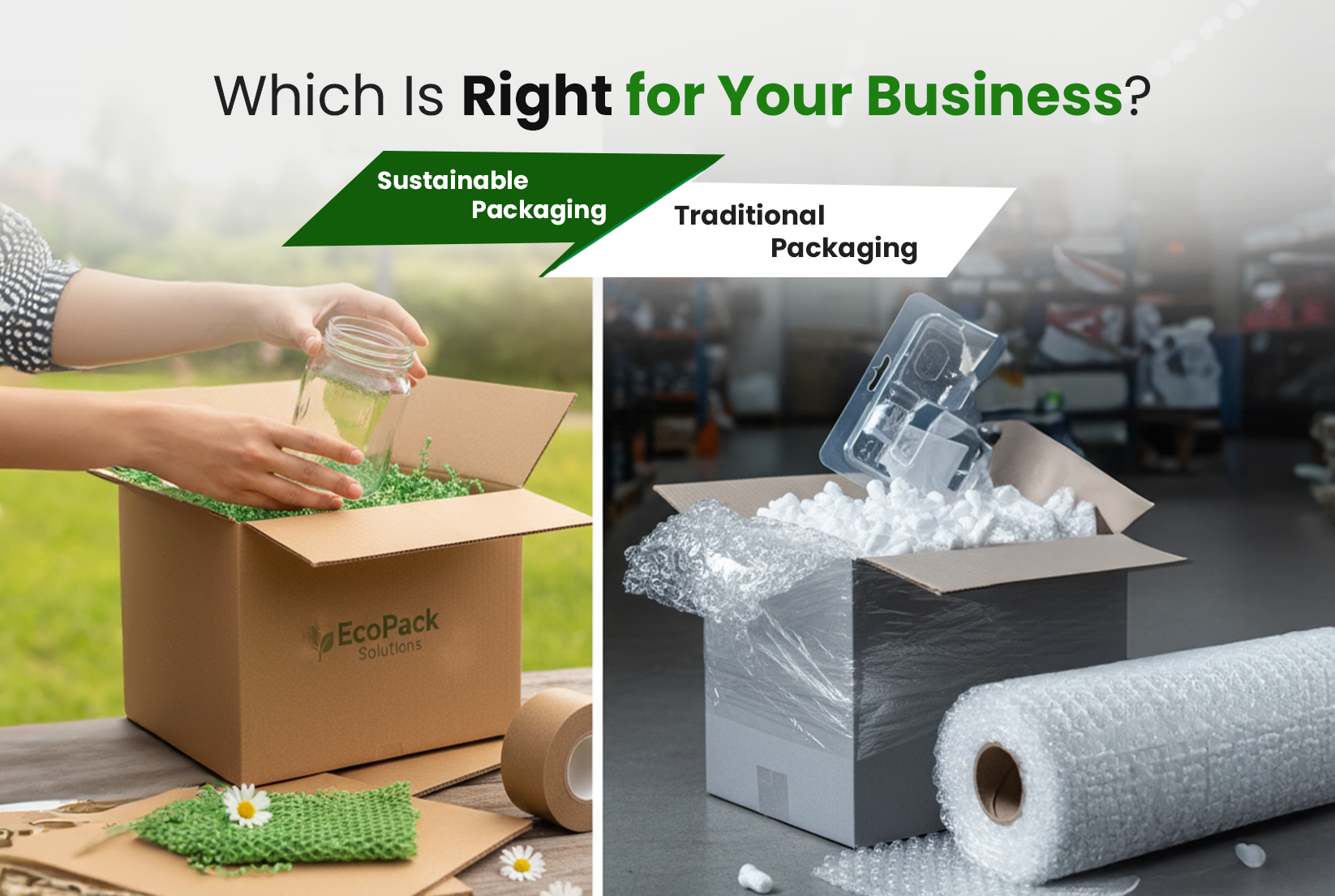
Sustainable Vs Traditional Packaging: Which Is Right for Your Business?
Packaging is more than just a layer of protection around a product. It represents a company’s values, its attention to quality, and its responsibility toward the planet. With businesses aiming to balance performance and sustainability, the debate between traditional and modern packaging methods has become more relevant than ever. One innovation gaining strong traction is eco friendly paper packaging, known for its strength, lightness, and minimal environmental impact. But how does it truly compare with conventional materials?
Shifting Priorities in Modern Packaging
For years, plastic, Styrofoam, and corrugated cardboard dominated the packaging industry. They were inexpensive and easy to mass-produce. However, their environmental cost has become impossible to ignore. Traditional packaging materials contribute significantly to landfill waste and pollution.
Businesses are now prioritizing sustainability due to:
- Growing consumer demand for environmentally friendly packaging solutions.
- Increasing government regulations on non-recyclable materials.
- Pressure to reduce carbon footprint and waste management costs.
This shift has made sustainable paper packaging solutions a smart alternative for future-focused companies.
Why Traditional Packaging Still Holds Ground
Despite growing environmental awareness, traditional materials continue to play a role in global supply chains. They are familiar, widely available, and offer strong physical protection.
Key advantages of traditional packaging include:
- Excellent water and moisture resistance.
- Strong cushioning for fragile products.
- Easy customization for complex product shapes.
However, the long-term disadvantages are significant:
- Non-biodegradable materials persist in landfills.
- High environmental impact can affect brand image.
- Limited compliance with evolving sustainability regulations.
The Rise of Greener Alternatives
Businesses across sectors are now shifting to eco-conscious packaging. Among the various sustainable options, eco-friendly honeycomb packaging has proven particularly effective. It is made from kraft paper and structured in a hexagonal pattern that mimics natural honeycombs. This gives it exceptional compressive strength while keeping it lightweight.
Benefits include:
- Reduced material consumption due to efficient design.
- Lower transportation costs thanks to lighter weight.
- Minimal environmental impact as it uses recycled materials and biodegradable packaging.
This combination helps companies protect products, cut costs, and reduce their carbon footprint.
Looking Beyond Initial Costs
Sustainable packaging can appear more expensive upfront, but long-term savings often outweigh the initial investment.
Cost benefits include:
- Lower freight expenses due to lightweight packaging.
- Reduced product damage and return rates.
- Avoidance of fines and penalties on non-recyclable materials.
- Eligibility for government or industry sustainability incentives.
Businesses adopting custom eco-friendly packaging often find that the total cost of ownership is lower than traditional options.
The Role of Packaging in Brand Identity
Packaging communicates more than just protection—it signals values. Customers now consider how a product is packaged when evaluating a brand.
Advantages of sustainable packaging for brand perception:
- Demonstrates commitment to environmentally friendly packaging solutions.
- Appeals to eco-conscious consumers.
- Enhances corporate image and market differentiation.
Using eco-friendly paper packaging reinforces a company’s message of sustainability while maintaining practical product protection.
Strength and Functionality Without Compromise
Many businesses hesitate to switch to sustainable materials due to strength concerns. Honeycomb packaging addresses this effectively.
Key functional benefits include:
- High load-bearing capacity thanks to the hexagonal design.
- Superior shock absorption during transport.
- Versatile applications across industries like automotive, furniture, electronics, and retail.
- Easy customization for different product shapes and sizes.
This ensures safety without resorting to environmentally harmful materials.
Meeting Sustainability Goals with Ease
Sustainability benchmarks are increasingly required for compliance and corporate responsibility. Honeycomb packaging helps companies meet these standards.
Highlights:
- Fully recyclable and biodegradable packaging material.
- Supports a circular economy with reuse and repurposing.
- Simplifies waste management and reduces costs.
- Ensures compliance with international packaging regulations for exporters.
With sustainable paper packaging solutions, businesses can enhance operational efficiency and meet sustainability goals without compromising product protection.
Making the Right Choice for Long-Term Success
Choosing between sustainable and traditional packaging depends on a company’s long-term vision.
Factors to consider:
- Product type and fragility.
- Shipping distance and logistics efficiency.
- Customer expectations and brand positioning.
For many companies, eco-friendly honeycomb packaging offers the perfect balance of protection, cost savings, and environmental responsibility.
Partnering with Experts for Sustainable Growth
Working with a trusted honeycomb packaging company like Verdewrap allows businesses to confidently transition toward greener solutions.
Benefits of partnering with Verdewrap include:
- Access to strong, recyclable, and customizable custom eco friendly packaging solutions.
- Reduced waste and optimized logistics processes.
- Improved sustainability performance without compromising quality.
- Long-term alignment with responsible business practices.
By collaborating with Verdewrap, companies not only save costs but also reinforce their commitment to sustainable growth and modern business values.

